The Health Benefits of Matcha: Why One Bowl Does More Than Wake You Up

Most green tea is brewed, then thrown away. Matcha is different. Because the whole leaf is stone-ground into a fine powder and whisked straight into water, you drink the entire leaf — and everything in it. That single difference is why a bowl of matcha delivers a far higher concentration of beneficial compounds than a cup of steeped green tea, often around three times the antioxidants.
So what does that actually do for you? Below is a clear, science-grounded look at the real benefits of matcha — the calm-focus effect people talk about, the antioxidants, the steady energy — and how to get the most from your daily bowl.
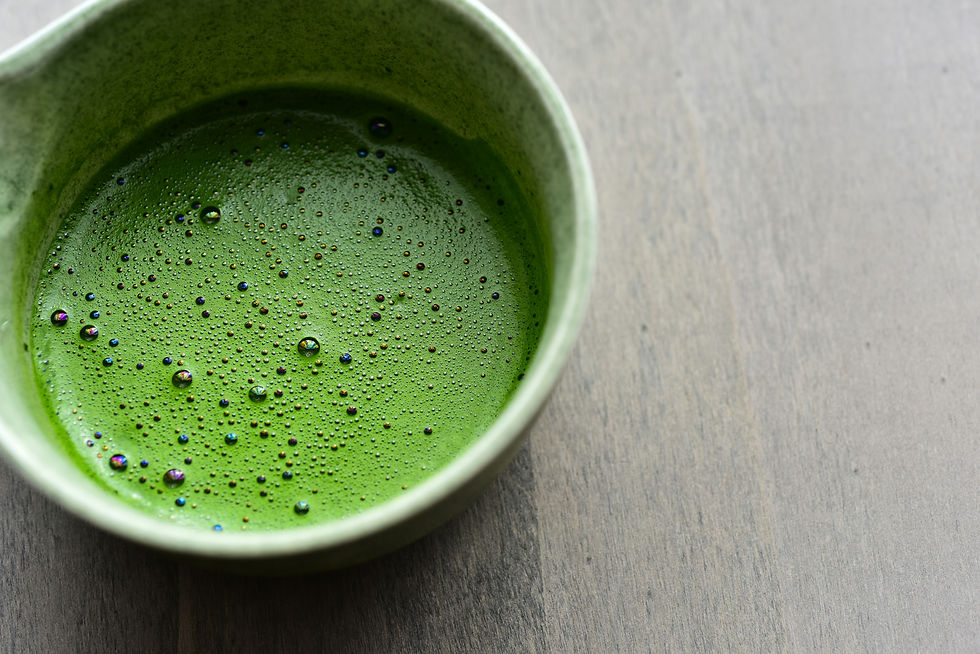
Calm, focused energy — without the crash
If you've ever felt the difference between matcha and coffee, this is why. Matcha contains caffeine, but it also contains L-theanine, a rare amino acid that changes how that caffeine feels.
L-theanine promotes relaxation by increasing calming alpha-wave activity in the brain and supporting key neurotransmitters. Paired with caffeine, it creates what researchers describe as a state of relaxed alertness — alert yet calm, focused yet unhurried. Studies on L-theanine and caffeine together have found they improve attention, memory, and overall cognitive performance more effectively than caffeine on its own.
The practical result: energy that arrives gently, holds steady for hours, and fades without the jittery spike-and-crash of coffee. It's the same quality that drew Zen monks to matcha centuries ago, using it to sustain long sessions of focused meditation.
This is exactly the feeling our customers describe — a sense of calm and clear, clean focus, the moment the day asks for it.
An antioxidant powerhouse
Matcha is one of the richest natural sources of antioxidants you can drink. The headline compound is EGCG (epigallocatechin gallate), a catechin that helps neutralise free radicals — the unstable molecules linked to cellular damage and oxidative stress.
Because you consume the whole leaf, matcha delivers significantly more catechins than infused green tea. Research connects these antioxidants to reduced oxidative stress and inflammation, two factors tied to a range of chronic conditions — which is part of why matcha is so often grouped with longevity-supporting foods.
Sharper focus and long-term brain support

Beyond the immediate calm-focus effect, matcha's combination of EGCG, caffeine, and L-theanine has been studied for its support of cognitive function — attention, memory, and mental clarity. One notable finding: a 12-month study found that 2g of matcha daily supported cognition and sleep quality in older adults with mild cognitive decline.
The takeaway isn't that matcha is a miracle cure — it's that a simple daily bowl quietly supports the brain over time, on top of the focus you feel in the moment.
Supporting the rest of the body
The benefits don't stop at the brain. The polyphenols and catechins in matcha have been associated with cardiovascular support — helping with cholesterol and inflammation — as well as metabolism and gut health. Research is ongoing, but the consistent thread is the same: whole-leaf matcha is a dense, natural source of the compounds the body uses to stay balanced.
Why quality and sourcing matter
Here's the part most articles skip: not all matcha is created equal. Studies comparing matcha samples found meaningful differences in their levels of L-theanine, catechins, and the overall balance between them — the very compounds responsible for that calm, focused effect. In other words, where and how matcha is grown directly shapes what it does for you.

The key is shade-growing. Shading the tea plants before harvest concentrates L-theanine and chlorophyll, producing a vivid green colour, a smooth umami flavour with no bitterness — and a richer functional profile. That's why our Ceremonial Matcha is shade-grown and stone-ground from leaves grown in Jingshan, China — the original birthplace of the tea ceremony — at a certified organic plantation. Our Daily Matcha is independently lab-tested to the same purity standard: no pesticides, no synthetic fertilisers, no harmful residues.
Origin and intention aren't marketing details. They're the difference between matcha that simply tastes green and matcha that actually delivers the calm, clear energy you're drinking it for.
How to enjoy matcha (and get the most from it)
A few simple things help you get the full benefit:
Use water at 70–80°C — never boiling. Boiling water scorches the leaf and kills both flavour and delicate compounds.
Sift first. Sifting 2g of matcha into the bowl before whisking takes ten seconds and gives a smoother, lump-free bowl.
Whisk in a zigzag. Add 60–70ml of water and whisk briskly until frothy. No sweetener needed for a good ceremonial grade.
Drink it earlier in the day. Because matcha contains caffeine, morning or early afternoon is ideal — so it supports your focus without affecting sleep.
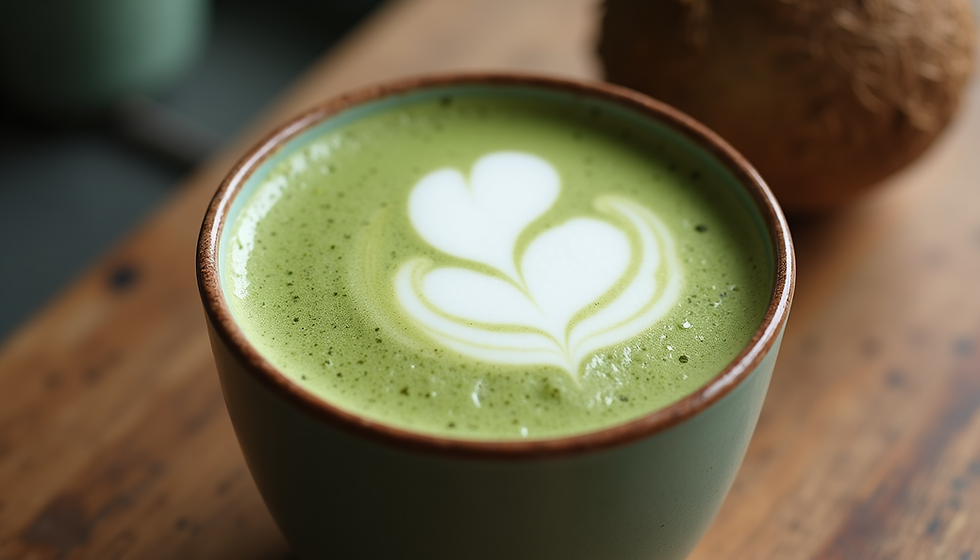
New to matcha? Daily grade is the most forgiving place to start — bright, subtly sweet, and just as good straight as it is in a latte. Already a regular? Ceremonial is the purest expression of what matcha can be, best enjoyed with nothing but hot water and a whisk.
One bowl, one ritual
The real beauty of matcha is that the benefits come wrapped in a ritual. The few minutes of sifting, whisking, and slowing down are part of the effect — a small daily pause that gives you calm, clear focus and a genuine moment for yourself.


Comments